
Insights for Natural Living
Practical tips and educational articles on men's health — from the science of specific vitamins to lifestyle habits that support long-term vitality.
A resource for men navigating natural wellness
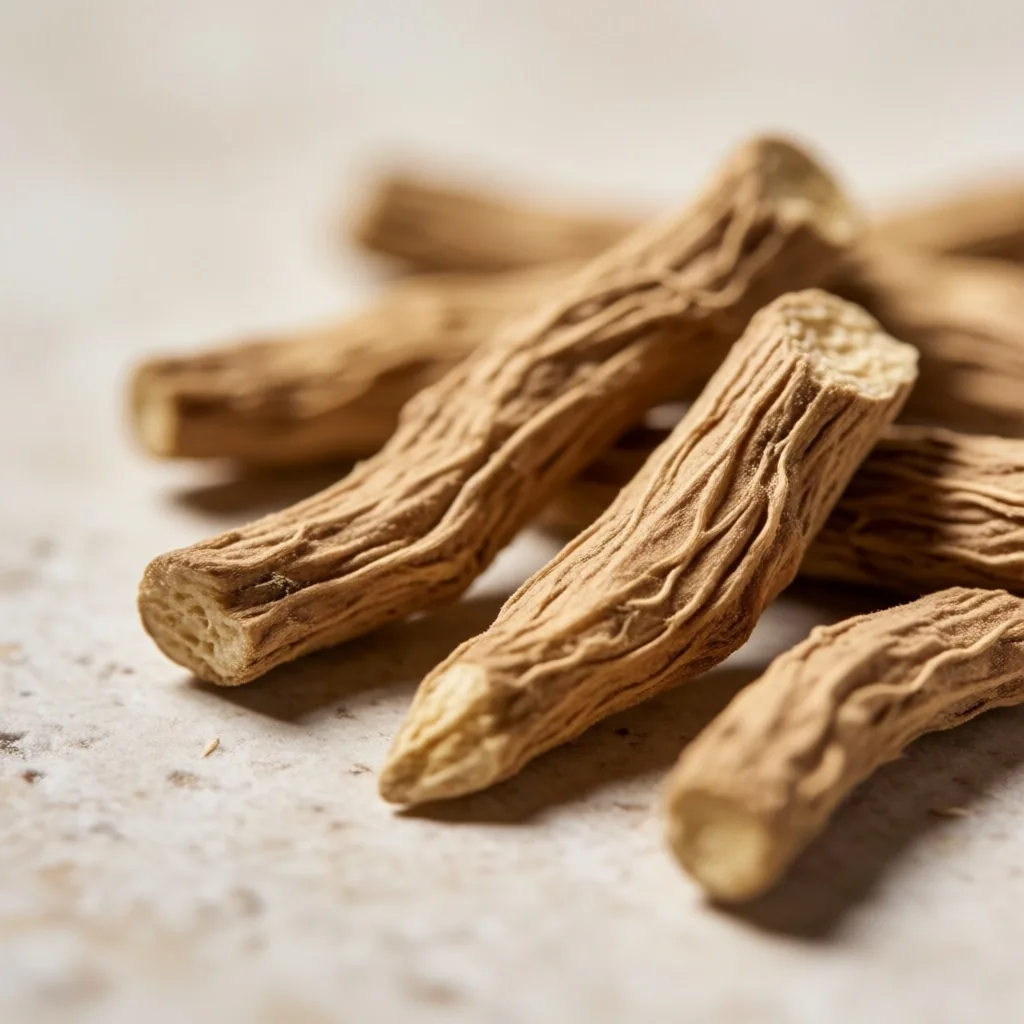
The Daya Pria Wellness Guide is your resource for practical tips and educational articles on men's health. We cover a wide range of topics, from the science of specific vitamins to lifestyle habits that support long-term vitality. Our goal is to provide you with actionable information that you can use to improve your daily life. Whether you are new to supplements or a seasoned enthusiast, you will find valuable insights here.
Understanding Micronutrient Deficiencies
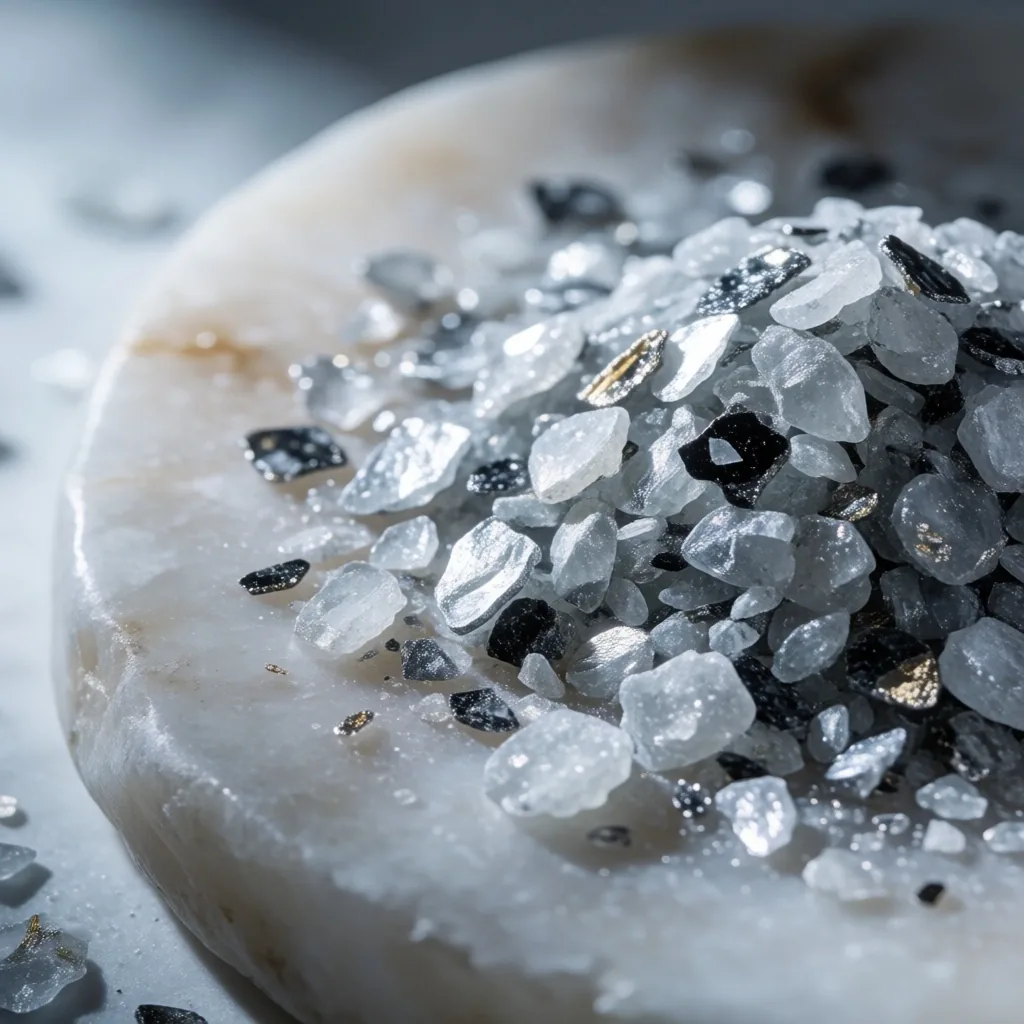
Many men experience low energy and poor focus simply because they are missing key micronutrients. Modern diets, often heavy on processed foods and light on mineral-rich vegetables, can leave gaps that build up slowly over months.
We explore common deficiencies and how they manifest in daily life — fatigue that lingers despite rest, difficulty concentrating, and a general sense that your body is running below its usual pace. Minerals like Zinc and Magnesium play structural roles in hundreds of daily processes, and a shortfall shows up in ways that are easy to dismiss until they accumulate.
Understanding these basics is the first step toward consistent wellness. We cover which foods supply these minerals naturally, how cooking and storage affect their content, and how to recognize the signs that your intake might be falling short before they affect your routine.
The Power of Adaptogenic Herbs
Adaptogens are a class of plants that help the body manage stress. Rather than forcing a particular response, they work with your nervous system to promote a sense of balance — making it easier to stay steady when demands pile up.
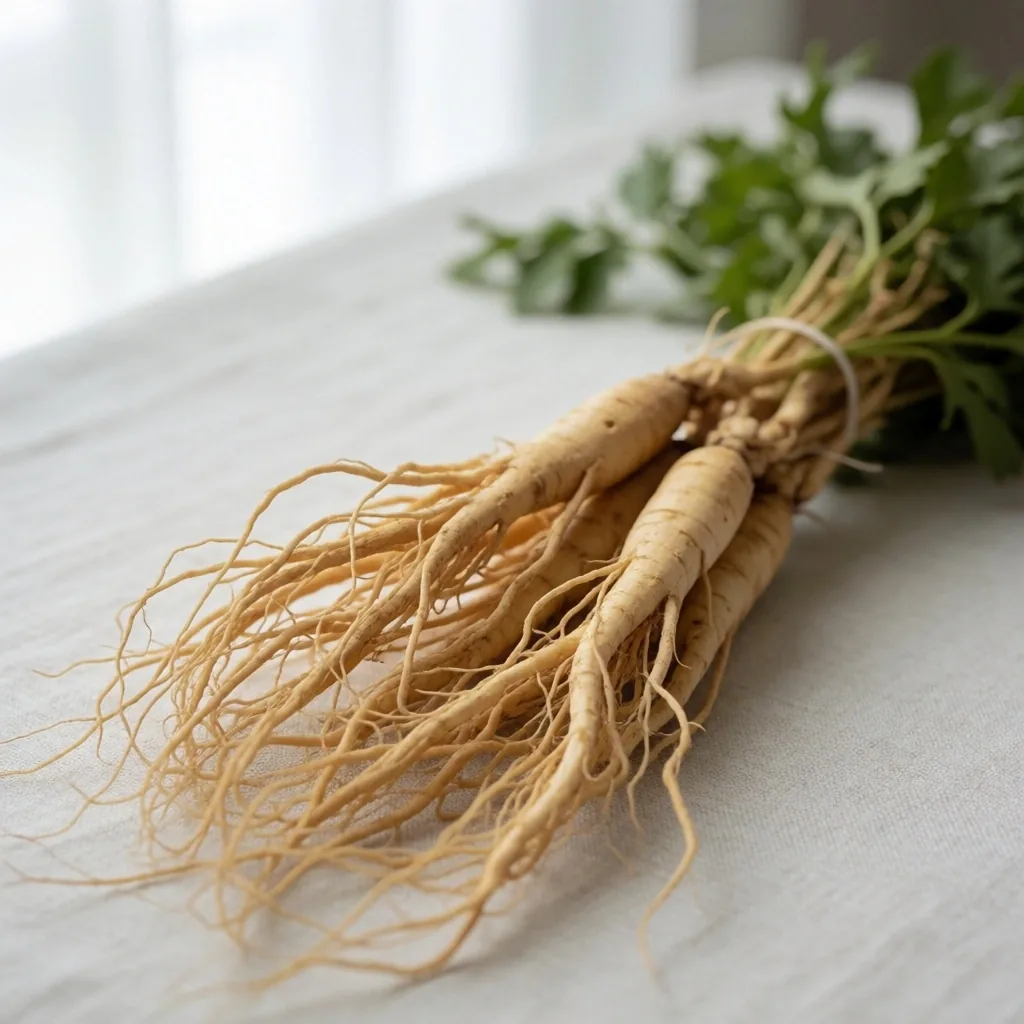
We take a deep look at herbs like Ashwagandha and Ginseng, explaining how they interact with the nervous system to promote balance. Each has a distinct character: Ashwagandha tends to calm and ground, while Ginseng is often chosen for a gentler lift during the daytime.
These articles provide context on how to use adaptogens effectively, including the best times of day to take them and what kind of results you can realistically expect. Adaptogens reward consistency over weeks, not a single dramatic dose — and setting that expectation clearly helps you judge whether they are working for you.
Nutrition for Physical Performance
If you are active, your nutritional needs are different from someone with a sedentary lifestyle. We provide guides on how to fuel your body for movement and how to support recovery naturally — without relying on synthetic performance enhancers.
Plant-Based Proteins
How to combine legumes, grains, and seeds to meet protein needs across the day. We cover amino acid balance, timing around training, and simple meal frameworks that fit a working week.
Natural Electrolytes
Sodium, potassium, and magnesium lost through sweat matter more than most people realize. We explain how to replace them from food and natural sources rather than sugary sports drinks.
Anti-Inflammatory Herbs
Turmeric, ginger, and boswellia have long traditions of use after physical exertion. We explain how to pair them with fats or black pepper to support absorption.
Mental Clarity and Cognitive Support
In a world of constant distractions, maintaining focus is a major challenge. We explore how nutrition affects brain health and cognitive function — not through quick stimulants, but through the steady structural support your nervous system needs.
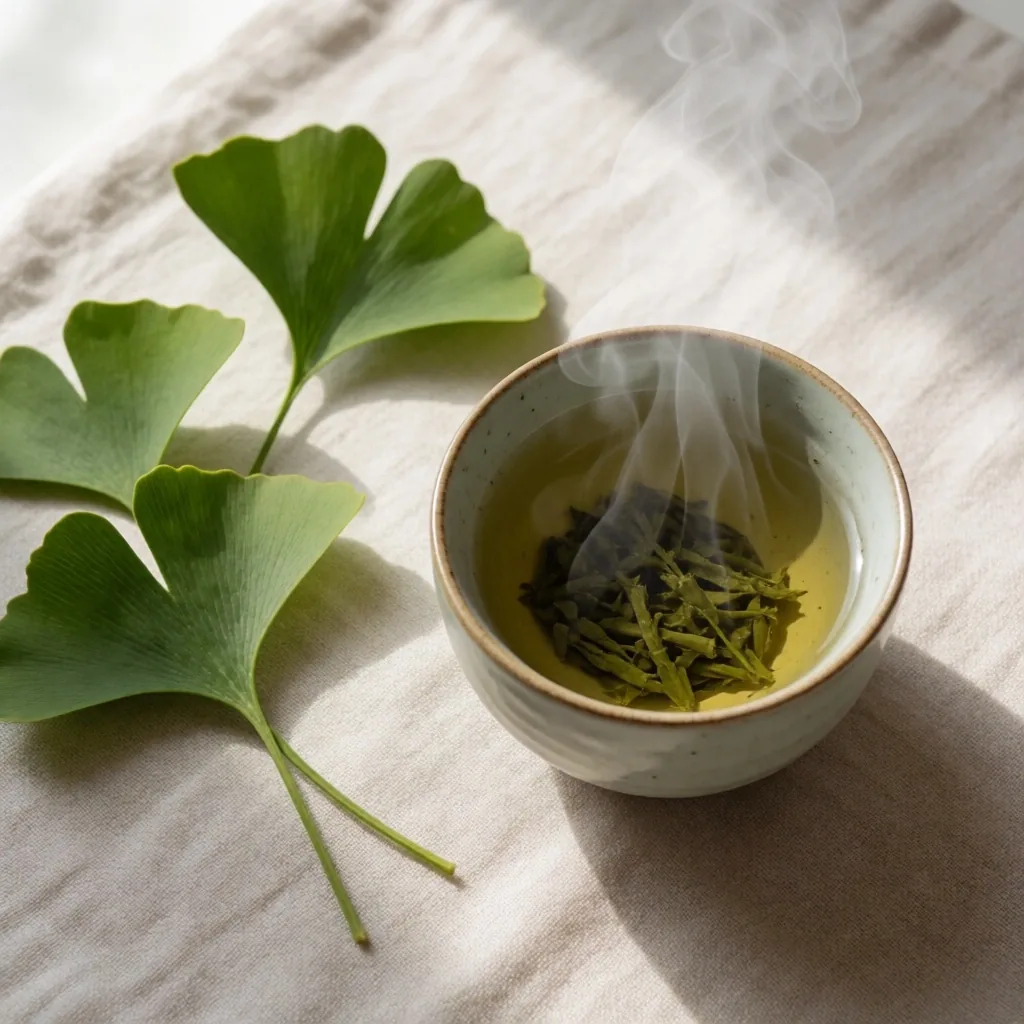
From the role of B-vitamins in neurotransmitter production to the benefits of Ginkgo Biloba for circulation, these articles help you understand how to keep your mind sharp as you age. Natural cognitive support is about long-term brain health, not just a temporary boost.
Seasonal Wellness Strategies
Your body's needs change with the seasons and the environment. Staying ahead of environmental stressors is key to maintaining consistent vitality year-round.
Managing Hydration in Humid Months
Medan's humidity changes how your body holds water and electrolytes. We cover practical adjustments to your daily intake and which natural sources help most during the hottest stretches.
Immune Support During Transition
Seasonal shifts bring their own demands. We discuss Vitamin C, Zinc, and traditional Indonesian immune-supporting herbs, and how to layer them into your routine without overdoing it.
Navigating Urban Pollution
City living adds oxidative stress. We explain how antioxidants like Vitamin E and Vitamin C fit into a daily plan, and which local foods deliver them reliably.
Building Consistent Resilience
Wellness is not a season — it is a rhythm. We outline a simple baseline routine you can hold through every month, then layer seasonal adjustments on top as conditions shift.
Decoding Supplement Labels
Reading a supplement label can be confusing if you don't know what to look for. We break down the terminology so you can distinguish between high-quality products and low-grade fillers — and make choices with confidence.

-
Standardized Extracts
Term 01A standardized extract guarantees a set percentage of the active compound in each serving. This matters because raw herb potency varies by harvest and region. We explain what the percentage on the label actually measures.
-
Bioavailability
Term 02Bioavailability is how much of a nutrient your body actually absorbs and uses. Some forms of a vitamin absorb far better than others — we list the forms worth looking for and the ones that mostly pass through unused.
-
Serving Size vs. Daily Value
Term 03The serving size tells you what the manufacturer considers one dose. The Daily Value percentage tells you how that dose compares to a general reference intake. We show how to read the two together without overthinking it.
-
Fillers and Excipients
Term 04Fillers hold a capsule together or improve flow during manufacturing — not all are equal. We cover common ones like rice bran and cellulose, and which vague entries on an ingredient list deserve a second look.
Lifestyle Habits for Longevity
Supplements are only one piece of the puzzle. We also cover broader lifestyle topics — the importance of sleep quality, hydration, and stress management techniques that quietly shape how you feel each day.
Sleep is where most of your recovery happens. We explain how evening routines, light exposure, and a few nutritional adjustments can help you fall into a steadier rhythm, especially when travel or work shifts disrupt it.
Hydration is simpler than it sounds but easy to get wrong. We cover how to read your own needs rather than chasing a generic daily number, and how mineral intake fits into the picture.
Stress management is where adaptogens meet daily habits. A short walk, a fixed wind-down hour, and consistent meal times each carry more weight than any single capsule — and we explain how to build them into an ordinary week.
We advocate for a balanced approach that prioritizes consistency over intensity. Small habits repeated daily tend to outperform ambitious routines that collapse after a fortnight.
These articles take a holistic view of men's health, showing how small daily habits can lead to significant long-term benefits — and how to tell the difference between a productive routine and one that is just noise.
Local Perspectives: Health in Indonesia
Being based in Medan, we often write about health issues specific to the Indonesian context. International health sites rarely account for local food availability, tropical climate, or traditional plant knowledge that shapes daily life here.
We discuss local food sources — from tempeh and green leafy vegetables to regional fruits — and how to build a nutrient-dense diet around what grows and sells nearby. We also cover navigating urban pollution and air quality in larger cities.
Traditional Indonesian herbs like temulawak, kunyit, and daun salam have generations of culinary and wellness use behind them. We provide a local perspective you won't find on international health sites, making our advice more relevant to daily life in Southeast Asia.

New articles each month, sent straight to you
We publish fresh guides on natural support, nutrition, and lifestyle habits for men's daily wellness. Subscribe to receive new articles as they go live — no promotions, no pressure.
Jl. Gajah Mada No. 15
Medan Petisah, Medan 20112
+62 61 450 1972
[email protected]Mon – Fri · 09:00 – 18:00 WIB
Daya Pria provides educational content on natural supplements and vitamins. Our articles are informational and not a substitute for personalized advice from a qualified professional. Supplements are intended to support general wellness and are not designed to diagnose, prevent, or address any specific condition.